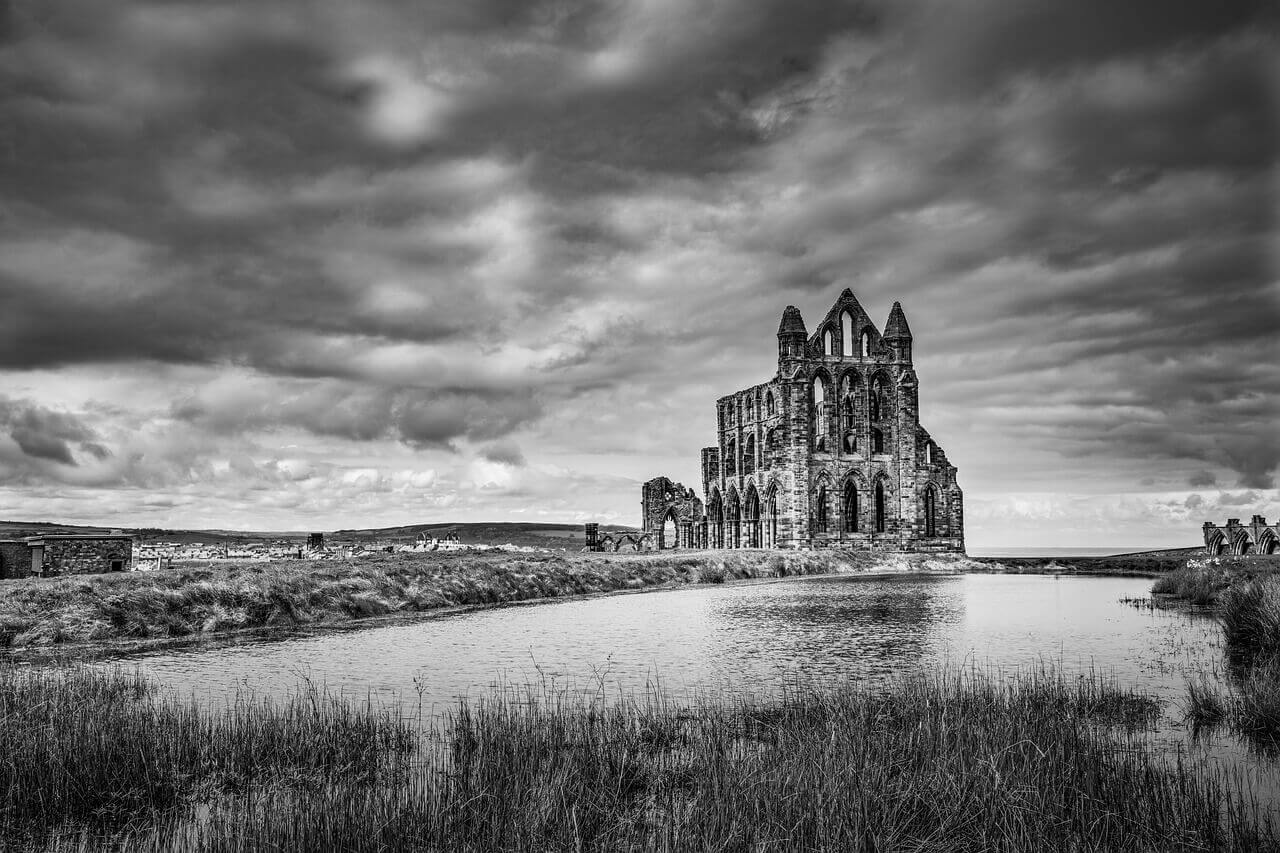
Book Review: Dracula
The month of October is the perfect time of year to read Bram Stoker’s Dracula. The Halloween season is ripe for it! Book Fiend that I am, I’m embarrassed to reveal that up until a few years ago, I hadn’t yet read the book.
This post contains affiliate links. As an Amazon Associate, I earn from qualifying purchases. You can read our Affiliate Policy here.
The month of October is the perfect time of year to read Bram Stoker’s Dracula. The Halloween season is ripe for it! Book Fiend that I am, I’m embarrassed to reveal that up until a few years ago, I hadn’t yet read the book.
Oddly enough, for the longest time, I thought I had read it. I even settled into the pages as if I were spending time with a lifelong friend, much like I do with Pride & Prejudice. However, as I got deeper into the story, I wasn’t so sure.
This post contains affiliate links. As an Amazon Associate, I earn from qualifying purchases. You can read our Affiliate Policy here.

I normally possess an uncanny memory of the books I’ve read, and even though this book seemed familiar, it also seemed very unknown, or is it undead?
After a while, I realized it’s due to the genius of the narrative and its eternal theme, one that is itself, Vampire. The story seduces you…slowly. Ignorant, you sit there, completely unaware that it’s even happening until, alas, you’re caught in its chilling embrace.
A Haunting Tale of Fear and Desire
Written in 1897 by Irish author (Abraham) Bram Stoker, it’s an imaginative concoction of a myriad of themes:
- Good versus evil
- Courage versus fear
- Sanity versus madness
- Sensuality versus chastity
- Heroism versus cowardice
- Defense versus surrender
- Societal stereotypes versus reality
It is storytelling at its finest.
Or perhaps I set the stage all too well…
That year, I decorated my living room for Halloween in a witch’s apothecary theme. In preparation for reading Dracula, I wore a silky white nightdress and wrapped myself in a shawl, lit black candles, poured blood red wine in a black goblet, and nestled into a deep, downy chaise lounge, not to be disturbed.
Like I said, I think I played into the story a bit too well…
Eerie Echoes in the Dark
There I was reading a passage about unholy brides and white gossamer curtains, when suddenly, I heard a noise…
Then another time, I shuddered when a shot of cold air fluttered down my back. Out of the corner of my eye, I could swear a dust mote was slowly transmuting into…something.
My husband broke the spell by coming to check on me, thank goodness. I shook my head free of imaginary foes and closed the book, deciding to finish it during the day.
But…I’m a glutton for punishment and started reading at twilight instead, my absolute favorite time of day.
While Dracula is a haunting tale of fear and desire, it also reveals the anxieties and contradictions of its time. Mina is praised for her purity and ultimately survives; Lucy is condemned for her flirtatiousness and turned into a monster—an echo of Victorian (dare I say, current) double standards with a hint and shadow of original sin.
And yet, Stoker enriches these expected concepts by intertwining surprisingly progressive storylines. Mina is not simply a damsel in distress but central to her own survival and intelligence. And her resolve is essential to the climax. Even the American is cast as a kind of hero, highlighting cultural ideals of the “new world” over the old. Together, these tensions make the story as unsettling in its gender politics as it is in its Gothic horror.
Gothic Allure
Bram Stoker did not invent the vampire, but in penning Dracula, he owns the concept. Everything we know about vampires today we owe to this centuries-old tale.
Dracula is for you if you like these kinds of stories:
- Dark castles and Gothic atmospheres
- Mysterious strangers with dangerous secrets
- Noises in the night—whispers, howls, and footsteps that chill the blood
- The battle between good and evil
- Seduction tangled with fear and desire
- Supernatural creatures that prey on the living
- Themes of sin, temptation, and morality
- The clash of science, superstition, and faith
- Strong heroines caught in society’s double standards
- Eternal life—and the price it demands
Here is a list of books with similar themes:
Classic Gothic Novels
- Frankenstein by Mary Shelley: science vs. morality, Gothic atmosphere, the danger of unchecked ambition.
- The Strange Case of Dr. Jekyll and Mr. Hyde by Robert Louis Stevenson: duality of good and evil, temptation, the horror of what lurks within.
- Carmilla by Sheridan Le Fanu: female vampire tale predating Dracula, explores seduction, secrecy, and desire.
Haunting Gothic Atmosphere
- Rebecca by Daphne du Maurier: haunting Gothic atmosphere, mysterious mansion, whispers of the past that won’t let go.
- The Turn of the Screw by Henry James: psychological Gothic ghost story, eerie children, blurred lines between reality and madness.
Vampires and Immorality
- Interview with the Vampire by Anne Rice: seduction and fear, immortality at a price, moral struggle of the undead.
- The Historian by Elizabeth Kostova: a modern Gothic that directly circles Dracula’s legacy—blending history, mystery, and supernatural pursuit.
Modern Gothic Horror
- Mexican Gothic by Silvia Moreno-Garcia: creeping dread, whispers in the walls, a reimagining of Gothic tropes in a lush, unsettling atmosphere.
- Let the Right One In by John Ajvide Lindqvist: modern vampire horror, loneliness, predation, and strange companionship.
If haunting stories and Gothic tales appeal to you, read Bram Stoker’s Dracula, and continue the chilling trend with the stories listed above.
If you have already read Dracula, then get reacquainted with it during Halloween. You’ll gain an entirely new perspective.
If you enjoyed this post, share it with a fellow book lover — stories are always better when passed along.
This post includes affiliate links. I may earn a small commission at no extra cost to you. Thank you for your support.
Until next time,
Cynthia M. Hall
Writer • Editor • Creative Guide
Changing the World One Word at a Time